You don’t have to rush through meaningful learning.
The Therapist Extraordinaire Pass was created for therapists who want the space to slow down, reflect, revisit, and truly integrate what resonates most.
Instead of trying to absorb every training within a 24-hour viewing window, you’ll have lifetime access to the symposium recordings so you can return to the conversations, ideas, and moments that matter most to you long after the event ends.
You’ll also receive bonus materials, extended learning experiences, downloadable resources, and access to our live post-symposium Zoom Community Collective where we’ll gather together to reflect, integrate, and close out the week as a community.
This is more than extended access.
It’s a deeper way to experience the symposium.
If you’re the kind of therapist who values depth, reflection, and continued growth, the Therapist Extraordinaire Pass was created for you.
Join us inside the Therapist Extraordinaire Pass below.
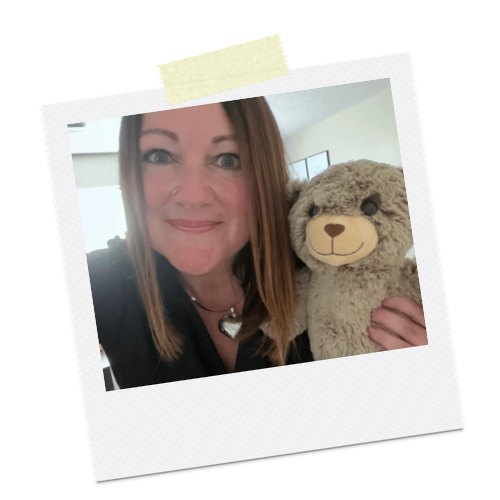
Hosted by Jackie Flynn
Educational Specialist, Author, Psychotherapist, Registered Play Therapist Supervisor™, Registered Sand Therapist Consultant and Trainer, and EMDRIA Approved Consultant and Trainer devoted to helping therapists bridge EMDR, attachment, play therapy, and nervous-system-informed care in ways that feel experiential, clinically grounded, and transformative for children, teens, and families.

Honoring Resistance with Dr. Karen Fried
We proudly welcome Dr. Karen Fried as our keynote presenter for this year’s event. Her session, “Honoring Resistance: An Oaklander Approach to Safety, Contact, and Sense of Self,” will be available throughout the week and offers a powerful look at the protective ways children adapt in response to pain, overwhelm, and disconnection.
Rather than viewing resistance as something to break through, Dr. Fried invites us to understand it with compassion and curiosity while supporting children toward greater safety, contact, connection, and sense of self. I’m deeply honored to have her as part of this experience.
You Entered This Work Because You Knew Children and Families Needed More
❤️💙💛🤍💜
You knew behavior was communication.
You knew play mattered.
You knew safety couldn’t be forced.
You knew healing had to involve relationship.
You understood that children often communicate through play, sensation, movement, metaphor, creativity, shutdown, avoidance, and nervous system states long before they can explain what they feel with words.
And yet many clinicians were never fully taught how to work there with confidence.
This event was created for clinicians who want to support children, teens, and families in ways that feel emotionally safe, developmentally attuned, relationally grounded, and deeply effective.
Whether you work in private practice, schools, agencies, hospitals, foster care, adoption, or community mental health, these conversations will help you deepen your work in ways that actually translate into real sessions, not just theories that sound good in a training.
DAY 1
❤️ Grief and Loss: Recognizing and Supporting the Many Ways Children Experience Loss
Recognizing and supporting the many ways children experience grief, loss, separation, foster care transitions, developmental grief, traumatic bereavement, adoption loss, and identity disruption.
You’ll learn ways to support children and families through:
• Traumatic grief
• Adoption grief and identity
• Foster care transitions
• Sibling and family grief
• Developmental grief across time
• Helping children process loss through play, metaphor, story, and relationship



Developmental Grief in Practice: Recognizing How Children Revisit Loss Across Time with Jackie Flynn


Adoption Grief, Loss, Loyalty, and Identity with Theresa Fraser

Held or Alone: Helping Children Feel Safe Enough to Connect with Jackie Flynn
Day 2
💙 Attachment and Connection: Helping Children Feel Safe Enough to Relate
Exploring how attachment, safety, connection, and relational healing shape a child’s ability to trust, engage, and feel emotionally secure. This day focuses on helping children move from disconnection, fear, and isolation toward connection, co-regulation, belonging, and healthy relationships.
You’ll learn ways to support children and families through:
• Helping children feel safe and connected
• Building trust through play
• Supporting children who struggle with closeness
• Understanding attachment patterns
• Using art, stories, puppets, and play to build connection
• Helping parents respond to disconnection
• Supporting adoptive and transracial families
• Nurturing infants and toddlers through touch and play
• Creating belonging and emotional safety

Held or Alone: Helping Children Feel Safe Enough to Connect with Jackie Flynn

Using Puppetry to Foster Connection, Safety, and Therapeutic Engagement with Joanna Piekarski

From Disconnection to Connection Supporting Parents in Understanding Attachment Patterns with Waldo Winborn

Using Magic Cards in Child Therapy to Build Connection and Curiosity with Dee Schattenreich HandLordz
A Place at the Table: Creating Pride, Connection, and Shared Meaning with Alisha and Catherine Denham

Using Art with Families to Build Connection with Erica Curtis

Nurturing Safety for Infants and Toddlers with FirstPlay® Therapy with Dr. Janet Courtney and Merab Akinyi

Supporting Adoptive and Transracial Families with Sabra Starnes

Sports Based Play Therapy: Engaging Kids Through Movement, Play, and Connection with Dr. Stephen Vinson

Fathers at Play: Building Attachment Through Movement, Rhythm, and Presence with Mandy Jones-Fischer
e
Day 3
💛 Beyond Words: Expression Through Symbol, Sensation, Sound, and Movement
Exploring the many ways children communicate beyond spoken language through symbol, sensation, creativity, movement, storytelling, sandtray, art, play, and embodied expression. You’ll discover ways to help children process emotions, trauma, identity, and inner experiences through approaches that honor the nervous system, imagination, culture, and the wisdom of the child’s symbolic world.
You’ll learn ways to support children and families through:
• • Symbolic play and storytelling
• Sandtray and sensory trauma work
• Superheroes and identity building
• Art and creative expression
• Selective mutism support
• Emotional awareness and alexithymia
• Bilateral drawing and regulation
• Therapeutic stories and bibliotherapy
• Cultural humility in therapy
• Symbols, metaphor, and meaning-making
• Telehealth sand therapy
• Trauma, play, and movement

3 Ways to Use Superheroes to Build Inner Resources in Child Therapy with Maria Diego
Cultural Humility in Sandtray: Trauma Work with Children and Families with Jessica Crunkleton

The Language of the Soul: SoulCollage® for Insight, Integration and Inner Wisdom with Claudia Ocampo

Playing with Meaning: Symbols and Story in Therapy with Marshall Lyles

Staying With Sensation in Sandtray When Trauma Lives in the Body with Julia Knach

When Silence Feels Safer Than Words Helping Children with Selective Mutism Through Play with Jared Andes

What Child Therapists Need to Know About Alexithymia with Dr. Robert Jason Grant

Bilateral Drawing Supporting Integration Without Overwhelm with Jocelyn Fitzgerald

Bibliotherapy with Children: How Stories Help Kids Make Sense of Their World with Clara Magallanes

One Miniature, Many Meanings: How Each Person Brings Their Own Story with Alisha and Catherine Denham

3 Ways Trauma Appears in the Sandtray with Danyale Weems

Introducing the Telehealth Sand Therapy Kit: Bringing the Power of Physical Sand and Tangible Miniatures to Telehealth with Dr. KatySue Tillman

Voices in the Sand: Using Assigned Identities Cards and Sandtray to Help Children and Adolescents Write Their Stories with Kim Harrington-Delgado
Day 4
🤍 The Therapist in the Work — Presence, Practice, and the Person Behind the Role
Exploring the heart of the therapist behind the playroom, the presence, creativity, ethics, advocacy, supervision, business realities, and self-awareness that shape meaningful therapeutic work with children, teens, and families. Thursday focuses on sustaining yourself in the work while deepening your confidence, imagination, professionalism, and connection.
You’ll learn ways to support yourself and your practice through:
Business and therapist realities
• Creativity and play in therapy
• Burnout, ethics, and self-care
• Therapeutic spaces and connection
• Supervision and clinician growth
• Sandtray ethics and standards
• Parent understanding in play therapy
• Teen group therapy safety
• Subpoenas and clinical records
• AI and mental health practice
• Building programs and community
• Presence and sustainability as a therapist

On the Way Not in the Way: Navigating Business Struggles as a Child Therapist with Big Plans with Lisa Dion

3 Things That Matter Most in Child Therapy with Dr. Rachel Altvater
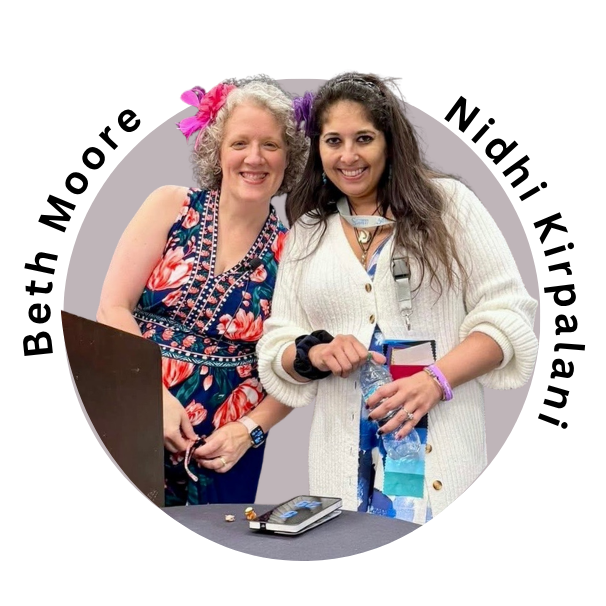
The Creative Therapist: Reigniting Play, Imagination, and Connection with Nidhi Kirpalani and Beth Moore

When Ethics Get Complicated, Burnout, Self Care, and Advocacy in Child Therapy with Melissa Winterscheid and NanDee Walker

Setting Up a Therapeutic Playroom with Sydney Pimentel-Rushing
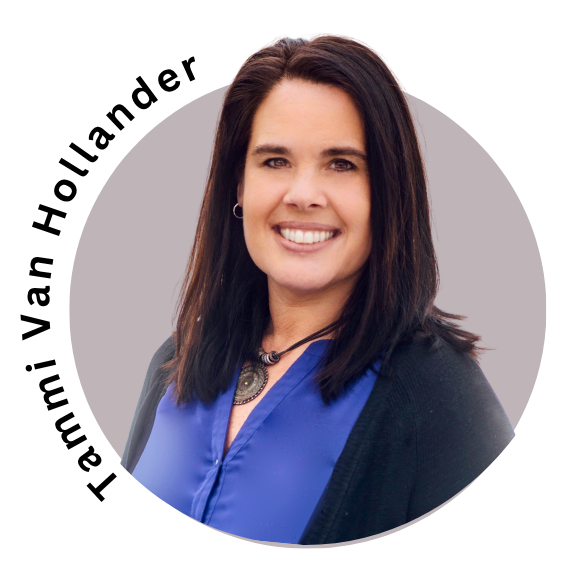
Connection Through Play and Sandtray Therapy with Tammi Van Hollander
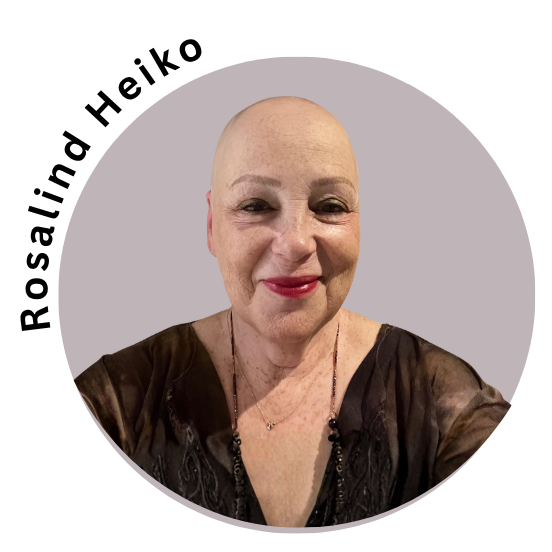
On Becoming a Registered Sand Therapist: Standards, Ethics, and Excellence with Rosalind Heiko

Why Your Supervisees Are Getting Stuck in Play Therapy And How to Help Them Move Forward With Confidence with Ann Meehan

Three Things Therapists Need To Know About Ai Right Now with Kailey Mahan

What to Do When Your Records Are Subpoenaed with Dr. Kristin Wallace

“The GEMS Group” When What’s Needed Doesn’t Exist Yet with Dr. Erica Tatum-Sheade

3 Ways to Help Parents Understand What Is Happening in the Playroom with Jen Sims

3 Ways to Manage Safety Concerns in Teen Group Therapy with Sara Schreiber
Day 5
💜 From Survival to Safety: Working with Risk, Regulation, and Complex Presentations
Exploring how children, teens, and families move from survival mode toward safety, connection, regulation, and resilience. This day focuses on supporting complex presentations including suicidality, nervous system dysregulation, identity development, trauma responses, compulsive behaviors, sexualized behavior, anxiety, and family overwhelm.
You’ll learn ways to support children, teens, and families through:
-
Big behaviors & emotional escalation
• Youth suicide prevention & safety
• Adolescent identity & sexuality
• Nervous system regulation through play
• Somatic trauma approaches
• Skin picking, hair pulling & BFRBs
• Parent co-regulation & family connection
• Trauma-informed support for teens
• Sexualized behaviors in play therapy
• Interoception & body awareness
• Anxiety in young athletes
• Play-based trauma support for children & caregivers

When the Family is on Fire: How do we meet Big Behaviors without Fanning the Flames? with Dr. Paris Goodyear Brown

Creative Approaches to Youth Suicide Prevention with Jonathan Singer

Creating Safety in Adolescent Identity, Sexuality, and Development with Dr. Kade Sharp

It’s Not Just the Child: 3 Ways to Resource Parents for Deeper Regulation and Connection with Maria Arias

3 Things Every Therapist Needs to Know About Skin Picking, Hair Pulling, and other BFRBs with Dr. Laura Chackes

Using Movement to Help Kids Work Through Hard Things with Katie Miller

Listening to the Body 3 Playful Ways to Support Somatic Work with Kids and Teens with Darlene Brace

Using Play to Support Nervous System Regulation with Jackie Flynn

Perform Under Pressure: CBT Tools for Athletes with Anxiety with Elizabeth Ernest

Supporting Trauma Work Through Play and Compassionate Presence with Parents and Children with Joyce Wilkerson

Navigating Sexualized Behavior in the Playroom: Understanding, Red Flags, and Compassionate Care with Jodie Keeso

Beyond Safety Plans, Creating Real Safety with High Risk Teens with Katie May

How Interoception Can Be Understood and Integrated Into Trauma Work With Children with Laurie Belanger

When Relational Wounds Show Up in Sandtray Holding Generational Stories Safely with Tanya Defferary

Supporting Parents in the Work of Breaking Cycles with Heather Denbrough
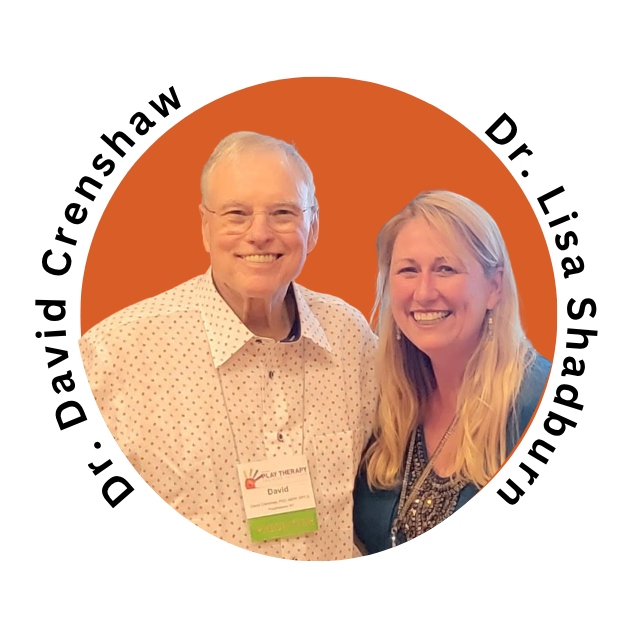
What We Carry Forward with Dr. David Crenshaw and
Dr. Lisa Shadburn
This closing plenary brings together two respected leaders in play therapy for a meaningful conversation grounded in decades of experience, relationship, and storytelling. Dr. David A. Crenshaw, a pioneering figure and Lifetime Achievement Award recipient, has profoundly shaped the field through his clinical work and teaching. Joining him is Dr. Lisa Shadburn, a seasoned psychologist, RPT-S, and educator known for mentoring clinicians with insight and compassion. Together, they offer more than professional expertise—they share reflections, stories, and enduring wisdom about what truly matters in play therapy and how to carry that legacy forward for future generations.